






















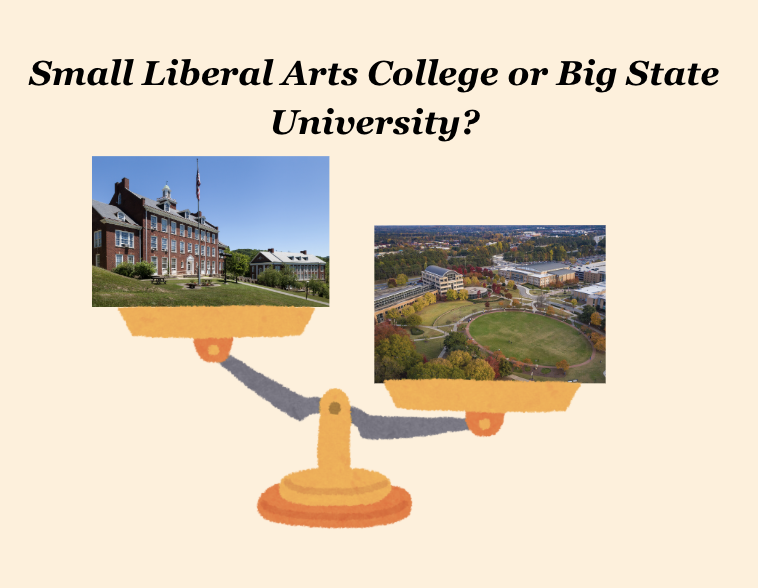









Colleges can often be grouped into two categories: small liberal arts colleges and big state universities. These colleges offer entirely different experiences and should be carefully analyzed when planning which school a prospective student is going to attend. Here are the key differences academically and socially.
Small Liberal Arts Colleges
Academics
At these colleges, with a small number of undergraduate students typically ranging from 2,500 to 3,000 students, classes are small and allow for a more personal relationship with professors. This mentorship allows students to seek extra help and make sure they are staying on top of their coursework. However, the small student body restricts the number of majors offered, leaving students with fewer academic disciplines to discover.
Social
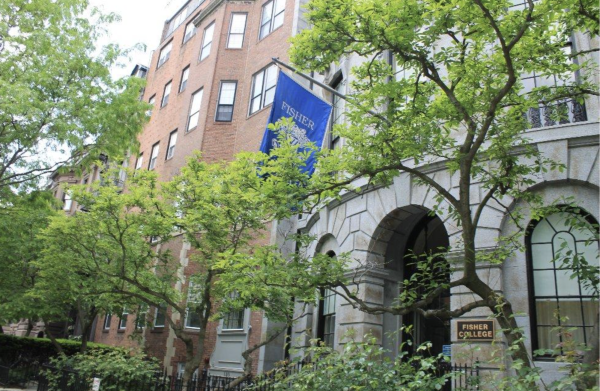
The smaller student body in liberal arts colleges also affects the social relationships on campus because it fosters a tight-knit community. Everyone knows each other, and it makes for a strong sense of belonging that can help students approach creating a social life with less pressure. Additionally, many of these universities market to students who have similar interests or want to pursue the same careers, giving students common ground to bond over.
Big State Universities
Academics
State schools often have class sizes with hundreds of students in giant lecture halls. Because of the number of students, it is sometimes difficult for them to build relationships with their professors. This requires students to have self-motivation and be able to handle learning the material on their own. It does, though, give them the opportunity to explore more than 100 majors and a broad curriculum, ensuring they will find their passion.
Social
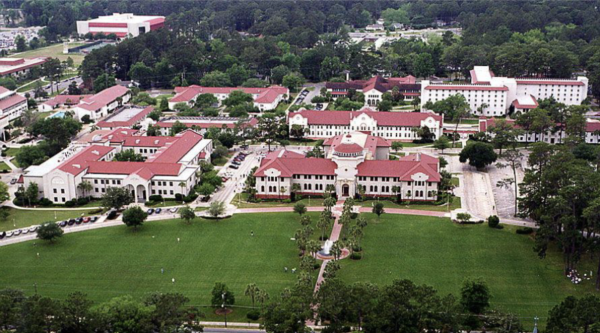
Socializing is a key part of these universities and is one of the main appeals for prospective students. They can join Greek life or clubs, go to sporting events, and have endless opportunities to meet new people wherever they go. These colleges also have a fervent school spirit with tailgates, dressing up, and other traditions. For students who are “social butterflies,” this could be the perfect fit.
Consensus
Analyzing these two types of college environments can help students narrow down which schools they could see themselves at. Whether that be in the crowded stands of a football game or a small-group seminar, each option offers students the opportunity to thrive and develop. By finding the right people to surround themselves with and the right campus they can call home, students will ensure that their college years are memorable and impactful.
For a more in-depth look at student-to-faculty ratios and average class sizes across various universities, visit the College Transitions dataverse linked below.
https://www.collegetransitions.com/dataverse/class-size-and-student-to-faculty-ratio/
Sources:
https://www.eduavenues.com/blog/large-vs-small-college
https://www.kyros.ai/blog/small-liberal-arts-colleges-are-they-right-for-you-3390