








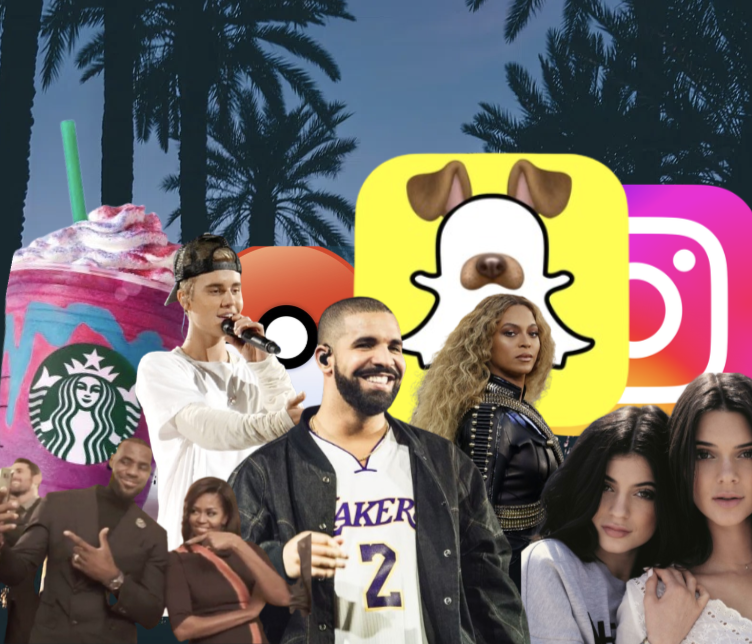




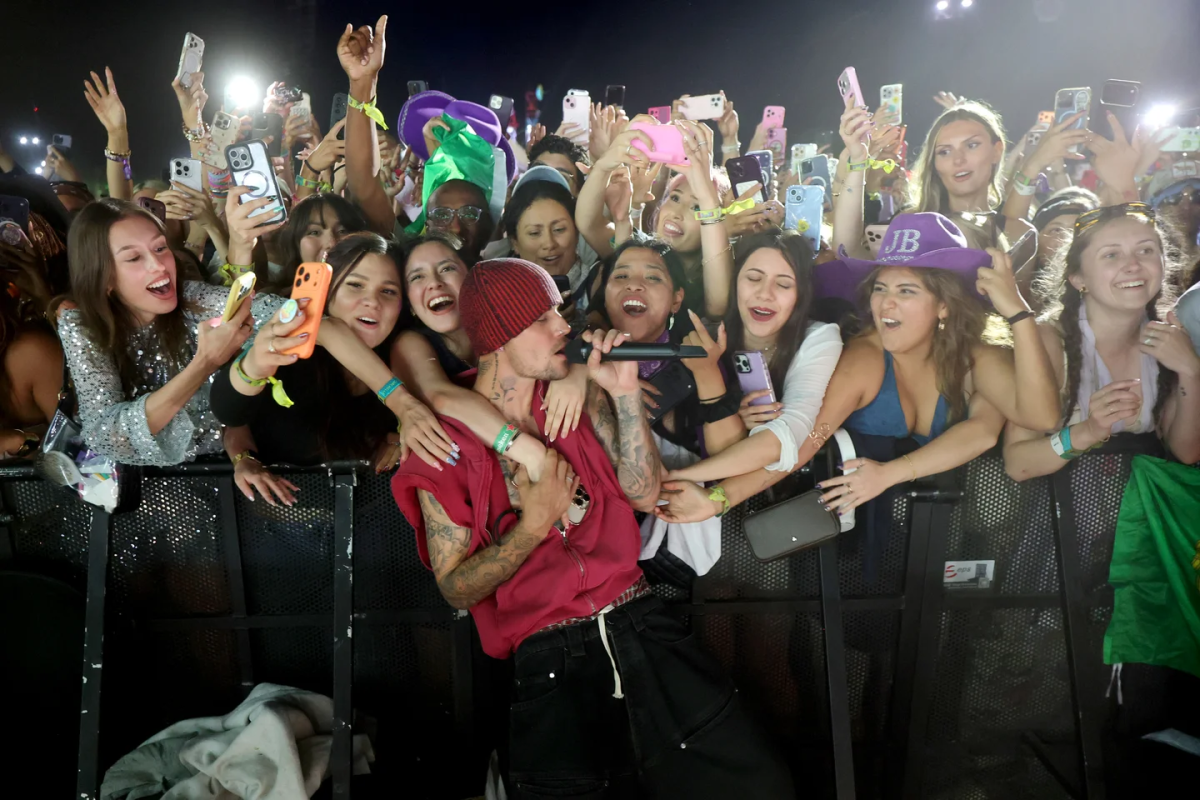


In recent months, social media platforms have been flooded with old playlists, hashtags, and throwback photos celebrating 2016. This has become a widespread cultural trend, with celebrities, influencers, and everyday users sharing their memories and portraying 2016 as a simpler, more carefree time.
Although 2016 did have some of its own global challenges and political tensions, people have remembered it as emotionally lighter compared to the current instabilities. This reappearance reflects how people deal with uncertainty, along with the collective population’s love for vintage filters and old music.
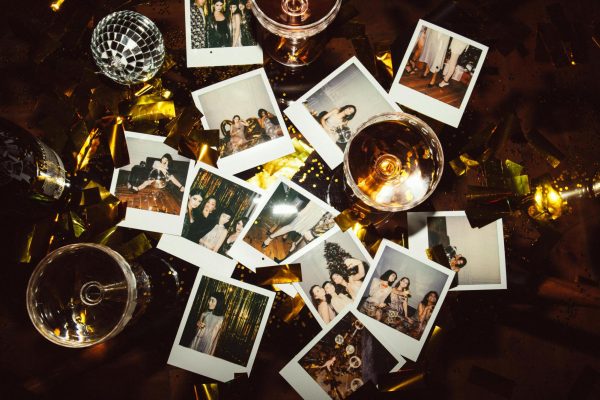
Experts propose that nostalgia often intensifies during periods of instability or fast change. When the present becomes too overwhelming, whether due to technological, economic, or political shifts, individuals look back to a time that feels more meaningful and secure.
Additionally, social media platforms such as TikTok have functionalities like music clips, filters, and archived videos that allow users to recreate mid-2010s aesthetics, making the past feel accessible and more alive than ever. Relatable posts and searches have turned individual memories into a shared and cherished global phenomenon.
Interestingly, psychologists suggest that people embrace nostalgia as a coping mechanism. Remembering some positive experiences from one’s earlier stages of life, such as favorite songs, old friendships, and important events, can conjure feelings of security and identity during uncertain times. For example, it has been noted that many millennials and older Gen Z members have reminisced about 2016 the most because they experienced it in their adolescence or early adulthood, which is usually associated with optimism and freedom.
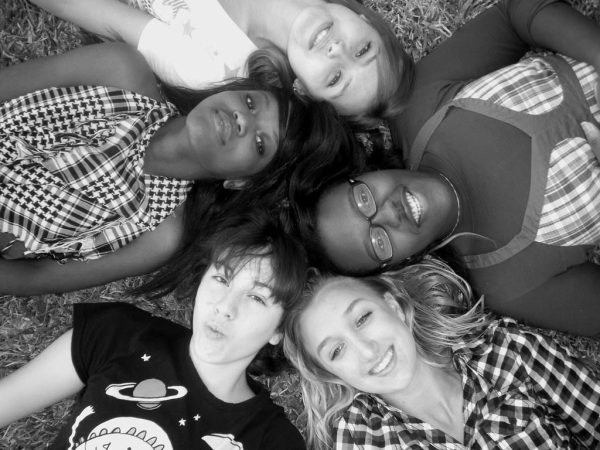
One benefit of this trend is the emotional reassurance it provides, as nostalgia is known to improve mood and create feelings of belonging. Individuals may feel more connected to others who have similar experiences by sharing memories that are meaningful to them. This trend has also connected the world culturally. Across many different platforms, users share individual memories, songs, and viral internet moments, helping diffuse different cultures. Through this trend, social media, a landscape often criticized for dividing, can be seen fostering community.
However, it is important to note that everything has its cons. In the process of looking back to more pleasant times, it is easy to develop a selective memory of the period while overlooking political conflict and global uncertainty in favor of personal memories and aesthetic highlights. Excessive focus on the past may lead to detachment from present challenges. Relying too much on the comfort nostalgia provides can encourage avoiding problems, not confronting them. Such trends, if taken too seriously, can turn nostalgia from being a healthy reflection to an escape.
The 2016 trend reflects a shared desire for connection and stability. From revisiting viral moments like the Mannequin Challenge and the Snapchat dog filter to replaying songs such as “One Dance” by Drake or “Closer” by The Chainsmokers, such trends have become hallmarks of the 2016 experience. Revisiting the past can offer well-needed comfort, but it is necessary to maintain balance as well. However, it is important to recognize that there is only so much nostalgia can offer. Real progress ultimately comes from meaningfully engaging with the present.
Sources:
https://www.geo.tv/latest/645487-social-medi-is-going-wild-over-nostalgia-2016-in-2026-heres-why?