




































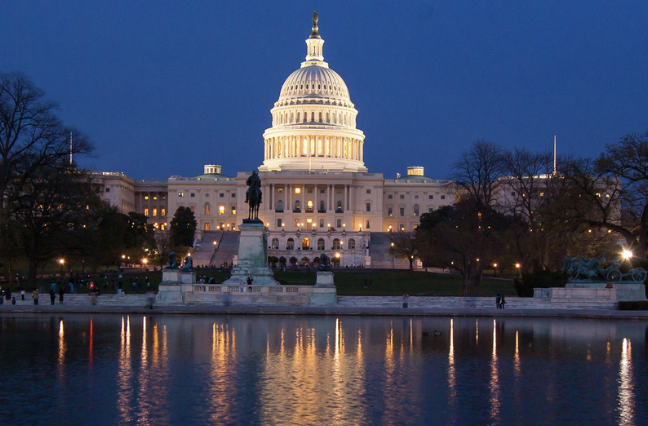
From Jan. 31 to Feb. 3, approximately half of the U.S. federal government shut down after Congress failed to pass appropriations legislation for the 2026 fiscal year following the expiration of a previous continuing resolution.
Understanding the cause
The shutdown began after delays in the approval of a funding package that would allow for negotiations about reforms to federal immigration enforcement. Tensions spiked after the death of Alex Pretti, a 37-year-old intensive care nurse at a Veterans Affairs medical center. Pretti was shot and killed during an altercation with U.S. Customs and Border Protection (CBP) officers in Minneapolis, Minnesota at the intersection of 26th Street and Nicollet Avenue.
Following the tragedy, several Congressional Democrats exemplified their concern over the current professionalism and techniques of CPB and Immigration and Customs Enforcement (ICE) officers. Thus, Rep. Mike Levin, D-Calif., and other House Democrats refused to approve the final Department of Homeland Security (DHS) budget unless it contained “guardrail policies”—specifically mandatory body cameras, an end to arrests without judicial warrants, and a ban on the detention of U.S. citizens.
In response, Republicans countered by demanding that the DHS funding be used to penalize “sanctuary jurisdictions,” cities or states that limit their cooperation with federal immigration authorities. This policy impasse lasted four days, affecting the departments of Homeland Security, Justice, and State until further compromise was made.
How consensus was reached
Although the four-day government shutdown was brief, negotiations were intense to restore government services to the public.
Negotiators began by agreeing to pull the DHS funding bill out of the main package (funding for other bills), allowing Congress to fund 95 percent of the government through Sept. 30, 2026. However, they agreed to hold the DHS budget separately on a two-week timeline to allow more time for further compromise and consensus regarding its funding, which ultimately ended on Feb. 13.
Following this agreement, 21 Democrats agreed to end the government shutdown despite the lack of immediate ICE reforms, while 21 Republicans voted “no,” arguing the package lacked sufficient spending cuts. This unusual symmetry allowed the bill to pass the House by a razor-thin 217–214 margin. In the end, two Republican representatives flipped to “yes” after receiving assurances that the Senate would consider modifications to the filibuster for a separate Voter ID bill.
Current status
As of Feb. 18, the U.S. government remains in a state of “partial shutdown,” specifically affecting the Department of Homeland Security. While most of the government is open and operating normally, DHS funding officially expired at midnight on Friday, Feb. 13. Until a compromise is reached between Democrat and Republican representatives and the administration, DHS operations will continue to face significant funding disruptions.